


Food Silicone Oil Paper
"Silicone oil paper" is the trade name for coated silicone paper — a dense base sheet with a thin, cured layer of food-grade silicone applied to one or both sides. The silicone is what makes food release cleanly and what keeps oil and water out. The base paper underneath decides how smooth and how strong it is. We coat on glassine (translucent) base and on greaseproof base, which is why the same "silicone oil paper" name covers papers with quite different handle and price. What separates a good one from a bad one is not the name — it is coat weight, coating uniformity and the resulting release value, and we declare all three per grade.
- Fast Delievery
- Quality Assurance
- 24/7 Customer Service
Product Introduction
Products Description
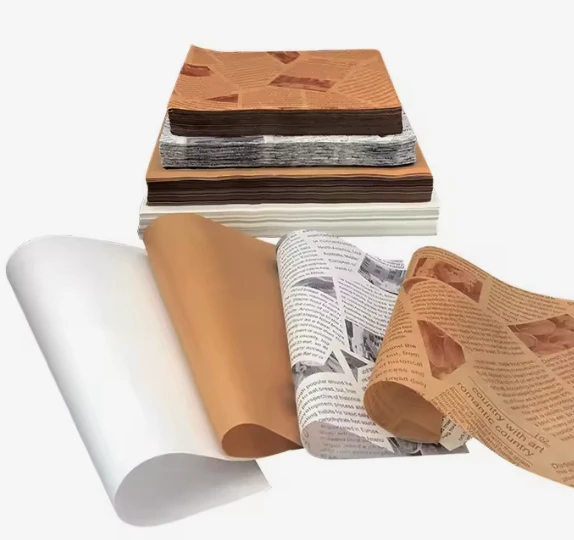
What "silicone oil paper" actually means
"Silicone oil paper" is a literal translation of the industry name for coated silicone paper, also sold as barbecue paper, baking paper or coated silicone paper. It is made the same way in every factory:
A base sheet - glassine (super-calendered translucent), or greaseproof (densely beaten) paper.
A silicone coating - a thin, cured food-grade silicone layer, applied to one side or both.
Curing - the silicone is cross-linked so it stays on the paper instead of migrating into the food.
Everything that matters about the finished product follows from those three steps. The base decides smoothness, strength and how much silicone the sheet absorbs. The coat weight and its uniformity decide whether the release is reliable or patchy. The cure decides whether the silicone stays put.
Silicone oil paper vs greaseproof paper vs translucent paper
| Greaseproof paper | Translucent paper (glassine) | Silicone oil paper | |
|---|---|---|---|
| How it is made | Densely beaten fibre; no coating | Super-calendered dense sheet; no coating | Base paper + food-grade silicone coating |
| Resists oil | Yes - for a period of time | Poorly | Yes |
| Resists water | Limited | Slightly less than greaseproof | Yes |
| Non-stick (releases food) | No | No | Yes - this is its defining property |
| Heat resistance | Good | Moderate | Good |
| Typical use | Tray lining, wrapping, cup holders, burger and fried-food bags | Interleaving, wrapping where a smooth translucent look is wanted | Baking, roasting, barbecue, non-stick tray liners, air fryer and steamer liners |

The base paper: glassine or greaseproof
Silicone oil paper can be coated on either base, and the choice changes the product more than most buyers expect.
| Base | Character | Where it is the better choice |
|---|---|---|
| Glassine / translucent | Very smooth and closed; low silicone absorption; a slightly translucent, premium look | Where you want a low coat weight, a smooth surface and a clean release; retail sheets |
| Greaseproof | Denser, more opaque, more mechanical strength | Where tear resistance matters, or where the paper must also block oil on its own |
A closed, smooth base is not cosmetic - a closed sheet keeps the silicone on the surface instead of letting it sink in, so less coating is needed and the release is more consistent. That is why base paper choice is really a coat-weight decision.
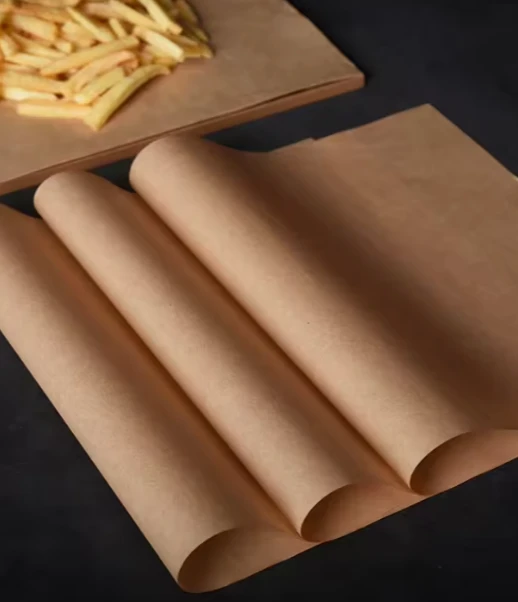
Coat weight and coating sides - the two numbers that decide release
Ask a supplier what their silicone oil paper is made of and you will usually get "food-grade silicone". That is not a specification. The two numbers that decide how it performs are:
| Specification | What it controls | Why it matters |
|---|---|---|
| Coat weight (g/m², per side) | How much silicone is on the sheet | Too little and release fails at the edges or under heat; uneven coat weight gives "some sheets work, some don't" |
| Coating sides (single / double) | Whether you must track orientation, and whether both faces release | Single-side needs the coated face up; double-side removes the question entirely |
| Cure level | Whether the silicone stays on the paper | Under-cured silicone migrates into food and into the adhesive or batter |
Release value ("peeling degree"): what it means and how to specify it
Release value - often called "peeling degree" in the trade - is the force needed to separate the food from the paper. It is the property that silicone oil paper exists for, and it is specifiable:
Too high (too sticky) - cakes tear, cookies break, bread leaves its base behind.
Too low (too slippery) - batter spreads and migrates before it sets, and the paper slides around the tray.
Silicone-coated vs vegetable parchment - different processes, not synonyms
These two are confused constantly, including on our own former pages, so it is worth stating plainly:
| Silicone oil paper | Vegetable parchment | |
|---|---|---|
| Process | Base paper + applied, cured silicone coating | Cellulose run through a sulfuric-acid bath, then washed |
| Where the non-stick comes from | The coating | The modified cellulose surface itself |
| Coating present? | Yes | No |
| Typical strength when wet | Good | Very good - this is parchment's signature |
| Best for | Baking, roasting, barbecue, liners, wrapping | Wet and heavy-duty uses; where no coating is wanted |
Reading the temperature rating
Almost every supplier quotes a temperature. Almost none quote the condition behind it, and in this category the numbers range from 180 °C to 250 °C across suppliers for what is nominally the same paper. Three rules for reading a rating:
Ask for the test condition - "x °C" alone is meaningless without knowing whether it is continuous or peak, and for how long.
A higher number is not automatically better. A rating is only useful if the supplier can back it with a test report and hold it batch to batch.
The failure people actually see is not charring. It is curling, coating failure and discolouration at the edges, well below the headline rating.
Applications and formats
| Application | Why silicone oil paper fits |
|---|---|
| Baking & pastry | Non-stick release means no greasing, no flour dusting, no torn bases |
| Roasting & barbecue | Grease does not strike through; the tray stays clean |
| Air fryer liners | Perforated or sized liners; note that air fryers cook by moving air, so perforation matters |
| Steamer liners | Round die-cut liners for dim sum baskets (see our steamer paper page) |
| Tray and pan liners | Full-tray sheets for bakeries and central kitchens |
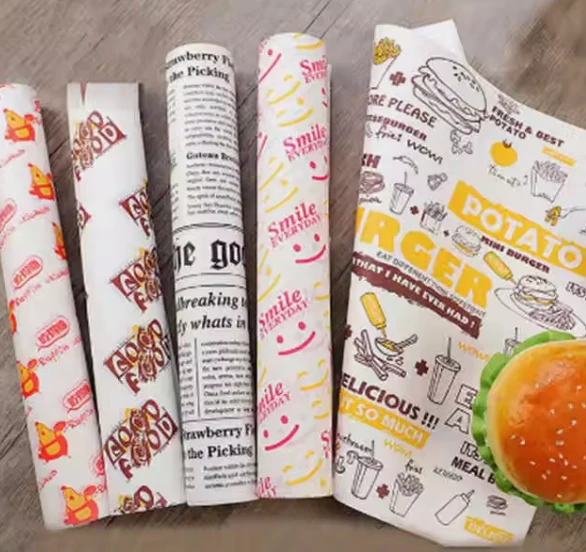
| Food wrapping | Greaseproof wrapping for burgers, sandwiches and pastries |
| Food-service interleaving | Separating layers of patties, dough or cheese |
| Format | Notes |
|---|---|
| Sheet | Pre-cut to tray and pan sizes; custom die-cut |
| Roll | Retail cutter box or bulk roll |
| Jumbo reel | For converters and food manufacturers |
| Perforated | Optional hole pattern for steaming and air frying |
| Printed | Brand or pattern printing for retail and food service |
Hot Tags: food silicone oil paper, China, suppliers, wholesale, buy, price, Silicone Baking Paper Sheet, Baking Paper


