Glassine Paper vs. Greaseproof Paper: What’s the Difference?
Sep 25, 2025
Glassine Paper vs. Greaseproof Paper: What's the Difference?
When sourcing packaging and food-contact papers, buyers often encounter two similar-sounding options: glassine paper and greaseproof paper. While both are widely used for oil- and moisture-resistant packaging, their manufacturing process, performance, and applications differ. Understanding these differences is crucial for making the right procurement decision, especially for industries that require strict compliance with food-grade or industrial packaging standards
1. What is Glassine Paper?
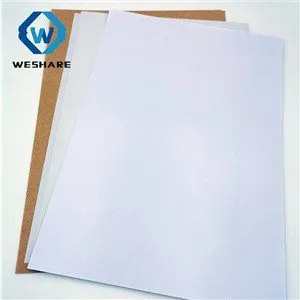
Glassine paper is a supercalendered, smooth, and semi-transparent paper produced from highly refined pulp.
Surface & Appearance: Smooth, glossy, and translucent.
Grammage Range: Typically 30–90 gsm.
Key Properties:
Oil and grease resistance (achieved through dense fiber structure, not chemical coatings).
Moisture resistance.
Excellent dimensional stability.
High temperature resistance (up to 200°C for short periods).
Certifications: Glassine paper used in food packaging usually complies with FDA, EU (EC 1935/2004), or GB 4806 standards.
Applications:
Food wrapping (butter, baked goods, chocolate).
Release liner base for adhesive tapes and labels.
Envelope windows, interleaving sheets for electronics and metals.
Medical packaging (sterilization pouches).
2. What is Greaseproof Paper?
Greaseproof paper is made from refined chemical pulp and undergoes mechanical treatment (such as beating and pressing) to reduce porosity, making it resistant to oils and fats.
Surface & Appearance: White, opaque, with a natural matte finish.
Grammage Range: Typically 28–70 gsm.
Key Properties:
Strong resistance to oil and grease.
Moderate moisture resistance.
Breathable, suitable for hot food packaging.
Can be coated or laminated for additional barrier properties.
Certifications: Food-grade greaseproof paper must meet FDA, BfR, or ISO 22000 standards.
Applications:
Fast food wrapping (burgers, fries, bakery products).
Confectionery and snack packaging.
Laminated packaging materials.
Disposable tableware liners.
3. Key Differences Between Glassine and Greaseproof Paper
| Feature | Glassine Paper | Greaseproof Paper |
|---|---|---|
| Appearance | Translucent, glossy | Opaque, matte |
| Oil Resistance | High, naturally from dense fiber | High, through refining process |
| Moisture Resistance | Strong | Moderate |
| Heat Resistance | Up to 200°C (short time) | Lower, suitable for direct food contact |
| Typical GSM | 30–90 gsm | 28–70 gsm |
| Applications | Release liners, food wraps, medical pouches | Fast food packaging, bakery wraps, snack papers |
4. Buyer Considerations
When choosing between glassine and greaseproof paper, buyers often focus on:
Barrier Properties: For products with high oil content (chocolate, butter), glassine offers stronger resistance. For quick-serve food packaging, greaseproof paper is usually more cost-effective.
Certifications & Safety: Food packaging buyers demand compliance with FDA, EU, or ISO standards. Without certification, papers may not pass customs clearance or meet retailer requirements.
Printability: Both papers support flexo and offset printing, but glassine's smooth surface ensures sharper graphics, while greaseproof's matte texture gives a natural eco-friendly look.
Sustainability: Both are biodegradable and recyclable, but glassine is favored for premium packaging, while greaseproof suits high-volume disposable use.
Cost & Supply Chain: Greaseproof paper generally offers lower cost per ton, while glassine provides higher performance per unit area. Buyers should balance unit price with performance needs.
5. Why Choose Us as Your Supplier?
As a professional manufacturer and exporter of specialty packaging papers, we offer:
Full Range of Grades: Glassine paper (30–90 gsm) and greaseproof paper (28–70 gsm) available in reels and sheets.
Food-Safe Certifications: Our papers comply with FDA, EU food-contact standards, ISO 22000.
Customization Options: Color, thickness, coating, and sheet size can be tailored for your brand.
Consistent Supply: With advanced paper-making lines and strict quality control, we ensure stable bulk supply for global B2B customers.
Global Export Experience: Serving food, bakery, and industrial packaging buyers in Europe, South America, and Southeast Asia.
6. Conclusion
Both glassine paper and greaseproof paper provide grease resistance and sustainability, but they serve different needs in the supply chain. Glassine is ideal for premium and technical applications (release liners, medical pouches), while greaseproof is more suitable for foodservice and disposable packaging.
👉 For bulk inquiries, certifications, and custom specifications, feel free to contact us. Our team will provide samples, technical data sheets, and competitive quotes tailored to your business.