Why Glassine Paper is Widely Used in Labels and Stickers
Sep 24, 2025

Why Glassine Paper Works Best as a Label & Sticker Liner
Glassine is a simple material with practical benefits. Label makers and converters choose it because it does the job reliably on the line - not flashy, just dependable.
What glassine is (brief)
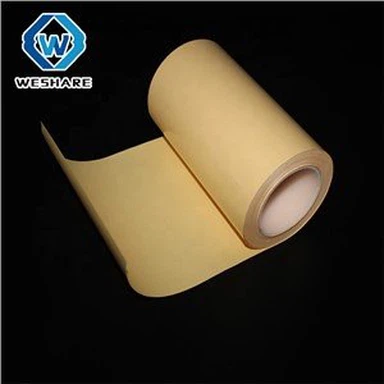
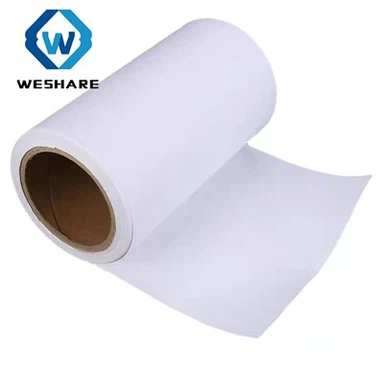
Glassine is supercalendered paper: the sheet is pressed to become very smooth, dense and semi-transparent. That surface is what makes it useful as a release liner for pressure-sensitive labels.
The practical reasons converters prefer it
Clean release on the line. The smooth surface keeps adhesives from sticking too strongly. That reduces jams and wasted labels during automatic dispensing.
Stable under processing. Printing, die-cutting and rewinding all put stress on the liner. Glassine holds shape better than many plain papers, so you see fewer web breaks and fewer rejects.
Cost and availability. Compared with PET or other film liners it's generally cheaper. For high-volume label runs this drops material cost without changing the converting process.
Easier to recycle. It's paper-based and can enter paper recycling streams where film liners cannot - useful for brands pushing sustainability.
Works with common adhesives. Acrylic and rubber-based adhesives used for food, logistics and cosmetics labels perform predictably with glassine.
What matters to buyers
When you buy glassine for labels, check these items with your supplier:
GSM (basis weight): typical ranges for label liners are 50–80 g/m². Lower weight for light labels, higher for heavy or rigid carriers.
Release level: match the liner to the adhesive and dispensing speed. Ask for samples and test on your machines.
Roll specs: width, core type, and wind direction should match your equipment. Common widths are often available, but confirm before order.
Moisture behavior: in humid climates (like much of Brazil), ask about moisture control and storage recommendations.
Regulatory needs: if labels touch food or pharma products, request food-contact compliance documents.
Quality control: request a sample lot sheet or QC report - GSM tolerance, visual defects, and roll runout.
Small production tips that help
Always run a short press test with a new lot. Samples can behave differently even within the same GSM.
Store rolls flat, in a dry room. High humidity causes curl and poor rewind.
If you see adhesive residue building on recommend rollers, increase release level slightly rather than changing press settings drastically.
Short note on sustainability
Glassine is paper and therefore easier to include in recycling than plastic liners. For brands aiming to reduce plastic use, switching from film to glassine for many label types is a low-friction step. Still, confirm local recycling rules - not every city collects the same paper grades.
Why work with a stable supplier
For converters in emerging markets, supply continuity matters as much as specs. A supplier who provides consistent GSM, quick sample rolls, and clear roll labeling saves time on the shop floor. Ask potential suppliers these three concrete things: sample availability, lead time for bulk, and a QC checklist on delivery.