

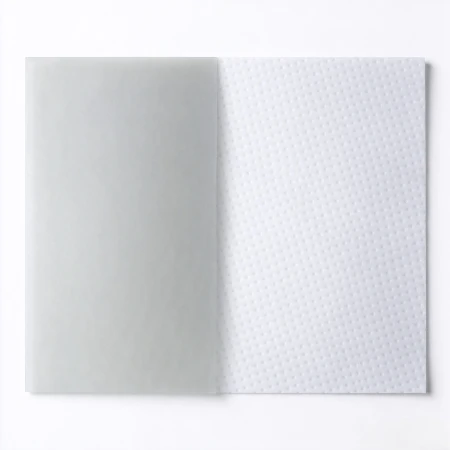

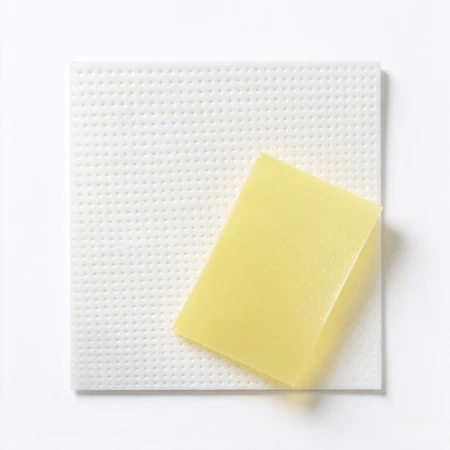
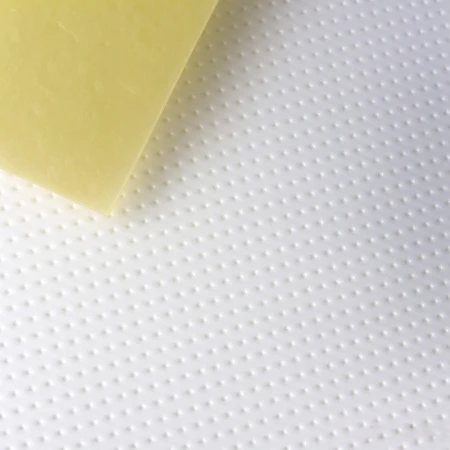
Automotive & Commercial Vehicle Air Filter Media Paper
Easily pleatable air filter media for passenger car and light commercial panel filters, available in multiple curing levels with flame retardant, water resistant and soot-resistant treatments.
- Fast Delievery
- Quality Assurance
- 24/7 Customer Service
Product Introduction
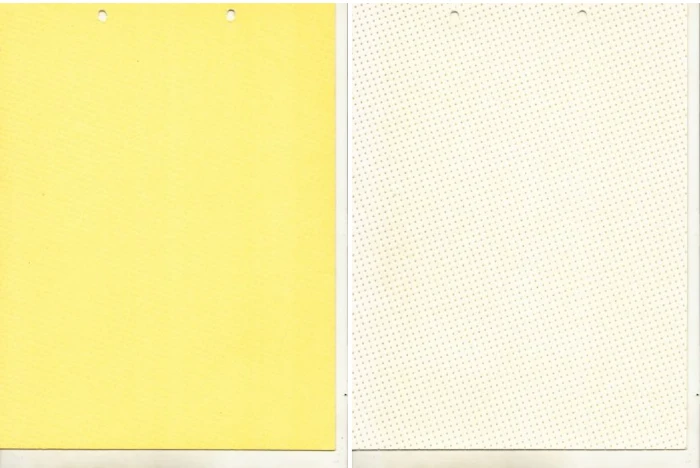
Air Filter Media for Automotive and Light Commercial Vehicle Elements
A panel air filter for a 1.5 L passenger car is a high-volume, cost-sensitive, fully automated part. It is pleated at 60–120 pleats per 100 mm, edge-sealed with polyurethane, cured, trimmed and packed on a line running hundreds of units per hour. The media has to survive all of that without a single pleat cracking - and it has to do it at a price the aftermarket will accept.
This is a converting problem first and a filtration problem second. Our automotive air filter media is specified around pleatability, curing behaviour and bondability, then tuned for the dust and soot conditions of the target market.
The four converting variables
Pleatability
Media must fold at high pleat density without fibre rupture at the crease. The controlling factors are tensile strength, elongation and the balance between wet and dry strength. A sheet that is strong but brittle cracks at the fold; a sheet that is soft folds cleanly but loses pleat height under airflow.
01
Curing level
All grades are available at different curing levels. This is the single most useful degree of freedom for a converter: a lightly cured sheet embosses and pleats more easily and suits high-speed lines, while a fully cured sheet holds pleat geometry and withstands humid, hot engine bays without relaxing. We set the cure with the customer's line speed and oven profile in mind, not to a fixed internal default.
02
Bondability
End caps and side seals must bond reliably to the media edge. Resin type and surface chemistry determine whether a polyurethane or hot-melt bond is a mechanical joint or a genuine adhesive joint.
03
Treatment compatibility
Functionalities are applied at the sheet stage, so the converter does not need extra process steps.
04
Available functionalities
Flame retardancy - for elements specified against ignition sources in the intake path, and for markets where the vehicle specification calls for it.
Water resistance and water durability - for humid climates, monsoon markets and vehicles that see road spray and steam cleaning. Water durability is distinct from water resistance: resistance keeps liquid water from wicking into the sheet, durability keeps the sheet's strength and pleat geometry after repeated wet–dry cycles.
Extra performance in dust and soot filtration - a denser or finer upstream structure for markets with high particulate load, heavy traffic soot exposure, or extended service intervals.
Grade data
| Grade | Basis weight (g/m²) | Thickness (mm) | Corrugation depth (mm) | Air permeability @200 Pa (L/m²·s) | Max pore size (µm) |
|---|---|---|---|---|---|
| HTK7140 | 130 | 0.45 | 0.30 | 800 | 115 |
| HTZ3035PSY4 | 135 | 0.52 | - | 300 | 72 |
| HTK3135 | 135 | 0.50 | 0.25 | 670 | 115 |
| HTK1127 | 127 | 0.40 | 0.25 | 330 | 80 |
Grade-by-grade selection
HTK7140 - the high-flow workhorse. 800 L/m²·s is the most open sheet in the automotive group and suits naturally aspirated petrol engines and large-displacement light commercial engines where the intake restriction budget is generous and the priority is cost per element.
HTK3135 - the standard passenger-car grade. 135 g/m² at 0.50 mm, 670 L/m²·s, 115 µm maximum pore. This is the grade most converters will run for mainstream panel filters: enough stiffness for high pleat counts, enough openness for a 4-cylinder intake.
HTZ3035PSY4 - the treated, denser option. 300 L/m²·s with a 72 µm pore and 0.52 mm thickness. Specify this where the engine calibration is sensitive to restriction but the market demands finer dust and soot capture - dense city traffic, high-PM environments, extended drain intervals.
HTK1127 - the compact, finer grade. 127 g/m², 0.40 mm, 330 L/m²·s, 80 µm. A useful middle position for small-displacement turbocharged engines where the filter envelope is tight and the pleat count is high.
What changes between a petrol and a diesel specification
Diesel intake air in commercial use carries more carbonaceous soot and oil mist from the crankcase breather. Soot particles are finer than road dust and pack into the upstream face faster, so the specification usually shifts toward a smaller maximum pore and a soot-resistant treatment rather than toward higher permeability. Petrol engines in clean markets can often run the more open grades and recover cost.
Converting and supply format
Rolls slit to pleater width, with the cure level matched to the customer's oven and line speed.
Corrugation depth set to the customer's pleat pitch: 0.25 mm and 0.30 mm are both available in this range.
Consistent lot-to-lot thickness - a ±0.02 mm drift in thickness is enough to change pleat height and cause end-cap sealing failures on an automated line.
Full traceability by roll, so a filter-maker's quality record can be tied back to a media lot.
FAQ
Q: Can you match our existing curing level?
A: Yes. Tell us the oven profile, line speed and the pleat height you are holding, and we will set the cure to match. Curing level is a specification parameter here, not a fixed property.
Q: Which grade should replace a competitor's paper we can no longer source?
A: Send the basis weight, thickness, air permeability and the application (engine size, market, service interval). We will map it to the closest grade and, where the match is not exact, propose the treatment that closes the gap.
Q: How is water durability tested?
A: By wet–dry cycling the sheet and checking retained tensile strength and pleat stability, not only by a static water-repellency rating. A sheet can repel water on the surface and still lose strength after five cycles.
Q: Do you supply flame retardant media for passenger cars?
A: Yes, flame retardancy is available as a treatment across the automotive grades.
Q: What about aftermarket versus OEM quality tiers?
A: The range is deliberately layered. HTK7140 and HTK3135 cover cost-driven aftermarket volumes; HTZ3035PSY4 and HTK1127 cover OEM-level and premium aftermarket specifications.
Hot Tags: automotive & commercial vehicle air filter media paper, China, suppliers, wholesale, buy, price
No Information


