Hot-melt Adhesive Film For Electronic FFC
Polyolefin and halogen-free polyester FFC hot melt films rated 125 °C / 1000 h and 85/85 for 2000 h, with anti-bleed performance for battery module and sensor harnesses.
- Fast Delievery
- Quality Assurance
- 24/7 Customer Service
Product Introduction
Products Description
Hot-melt adhesive film for electronic FFC
Inside a battery pack, the temperature number on the datasheet is not the hard part. 125 °C is easy to claim. What kills FFC laminations in a pack is eighteen months of 85 °C at 85 % relative humidity with a voltage potential across the adhesive, followed by a module that has to be opened and reworked.
This family - PB3101, PB3104, PB3105, PB3108, PB3109 and PB3127 - is specified around that duty cycle rather than around a single temperature rating.
Recommend product
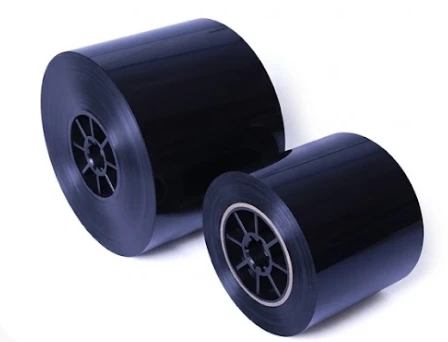
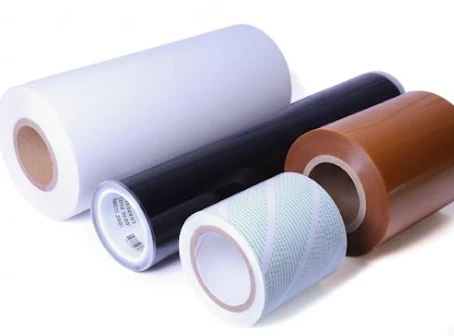
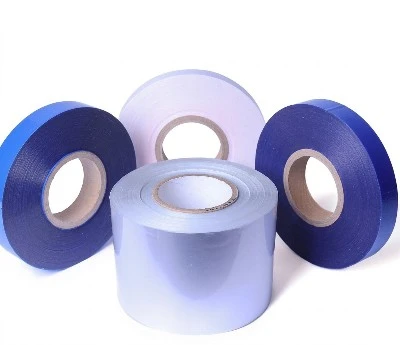
Hydrolysis, not heat, is the failure mode
A polyester adhesive at 125 °C in dry air is comfortable. The same adhesive at 85/85 hydrolyses: the ester backbone scissions, the bond line loses cohesion, and the film lifts at the edges first, where moisture ingress is fastest. Laboratory heat aging will never show this. Damp heat will, and it takes 1000 hours to show it clearly.
Our polyolefin grades hold 85 °C / 85 % RH for 2000 hours - twice the duration at which a comparable polyester benchmark delaminates - while still passing 125 °C × 1000 h and a 185 °C × 5 min excursion.
Halogen-free without losing VW-1
Halogenated flame retardants are the cheapest route to VW-1 and the reason many Japanese films in this class still carry brominated chemistry. PB3127 is a saturated polyester build with a halogen-free flame retardant system that reaches the same VW-1 classification, for programmes where the pack or the OEM material declaration forbids halogen.
Be explicit about which requirement wins in your specification:
| Grade | Adhesive chemistry | Flame retardant | 125 °C × 1000 h | 85/85 × 1000 h | 185 °C × 5 min |
|---|---|---|---|---|---|
| PB3105 | Polyolefin | Halogenated, VW-1 | Pass | Pass | Pass |
| PB3127 | Saturated polyester | Halogen-free, VW-1 | Pass | Pass | Pass |
| Comparable polyester benchmark | Saturated polyester | Halogen-free | Pass | Delaminates | Pass |
| Japanese benchmark | Polyolefin / polyester | Halogenated, VW-1 | Delaminates | - | Delaminates |
Polyolefin buys hydrolysis resistance. Halogen-free polyester buys the material declaration. Only the PB3100 polyolefin platform and PB3127 deliver both the 2000 h damp heat result and full compatibility with a halogen-free declaration - tell us which constraint is non-negotiable and we will quote the matching grade.
Anti-bleed: the property that saves the assembly line
At module level the most expensive defect is not delamination, it is adhesive squeeze-out. Bleed reaching a connector cavity or a weld pad turns a good harness into scrap, and it only appears once the part is at temperature and under clamp pressure.
The polyolefin platform is tested for anti-bleed at 150 °C × 48 h with no flow past the bond area. Against a conventional polyester film, which is only verified to 85 °C × 96 h, that is a materially wider process window for potting, overmoulding and reflow-adjacent steps.
Polyolefin versus polyester, side by side
| Property | PB2137 (polyester) | PB3109 (polyolefin) |
|---|---|---|
| Continuous temperature | 105 °C | 125 °C |
| Damp heat, 85 °C / 85 % RH | 96 h | 2000 h |
| Anti-bleed | Pass at 85 °C × 96 h | Pass at 150 °C × 48 h |
Moving from a 105 °C polyester film to PB3109 buys 20 °C of continuous rating and a twenty-fold increase in damp heat endurance on the same footprint.
application
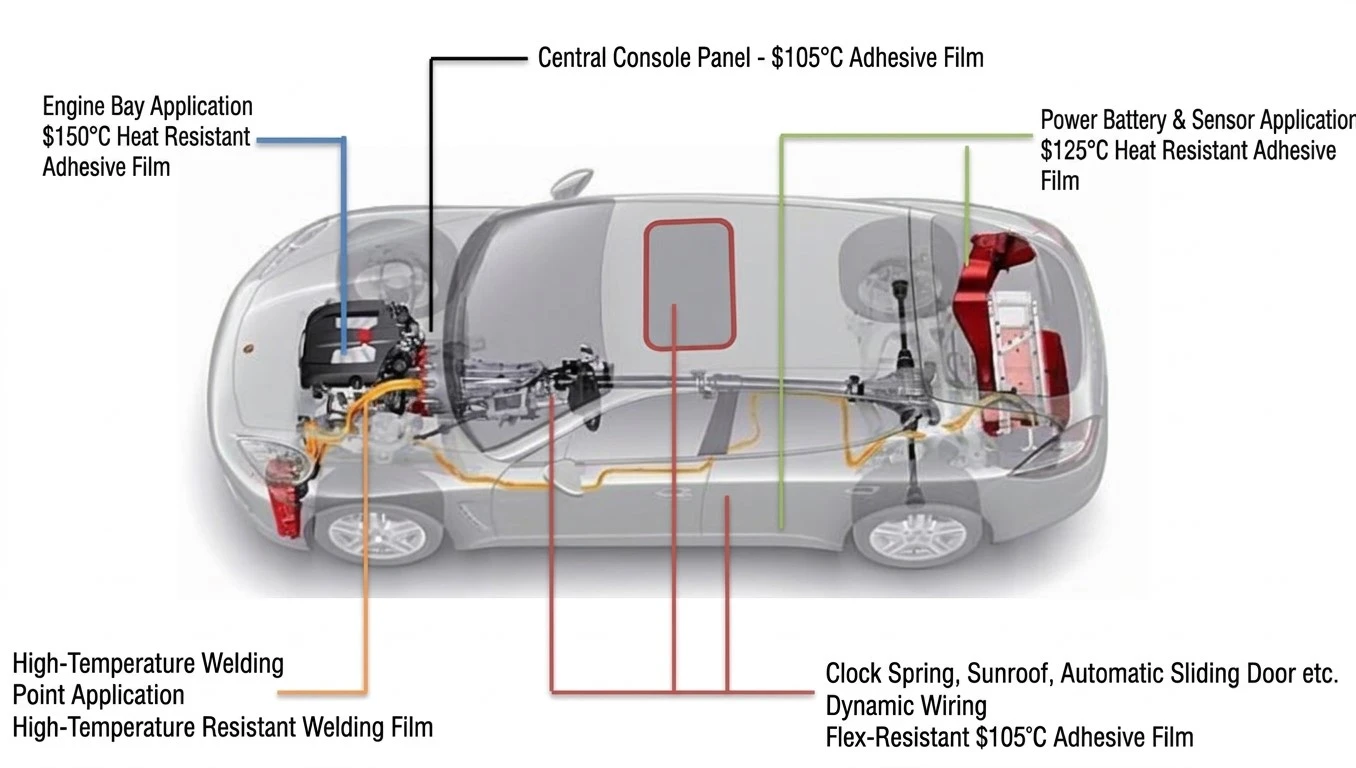
EV battery module and pack internal harness
Cell-to-BMS sensor leads
Automotive centre console and display FFC
Any FFC where the qualification includes a damp heat or halogen-free clause


certificate

FAQ
Is the whole PB3100 series halogen-free?
No. PB3105 is a polyolefin build with a halogenated VW-1 system. If halogen-free is a hard requirement, specify PB3127 or ask us to confirm the declaration for the exact grade before you release the drawing.
Why 2000 hours of damp heat instead of 1000?
A 1000 h test passes films that begin to fail at month fourteen in a pack. We test to 2000 h because that is where the polyolefin grades separate from polyester, and because the module-level expectation is a 15-year service life.
Can it be supplied for direct conductor bonding?
Yes. Tell us the conductor finish and whether the joint is soldered afterwards - a 185 °C × 5 min exposure is within the qualified window, but the sequence matters.
Request a grade recommendation
Send the pack location, continuous temperature, humidity exposure and any halogen-free or material declaration clause. We will return the grade plus the damp heat, anti-bleed and peel data for it.
Hot Tags: hot-melt adhesive film for electronic ffc, China, suppliers, wholesale, buy, price