The Role of Glassine Paper in Pharmaceutical and Medical Packaging
Oct 22, 2025

In the pharmaceutical and medical industries, packaging materials play a vital role not only in protecting products but also in ensuring patient safety and regulatory compliance. Among the many specialty papers used, glassine paper stands out for its exceptional purity, smooth surface, and barrier properties.
For companies in emerging markets like Brazil, where healthcare manufacturing and distribution are rapidly expanding, choosing the right packaging material can directly impact product stability, hygiene, and brand reputation.
2. What Is Glassine Paper?
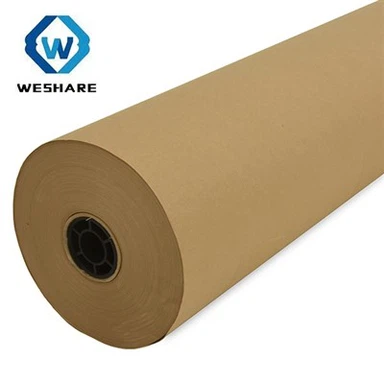
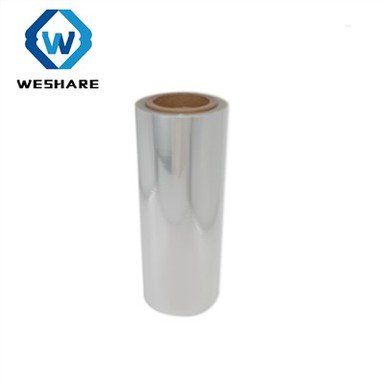
Glassine paper is a supercalendered, dense, and translucent paper produced from highly refined cellulose fibers. It is air, grease, and moisture-resistant, making it ideal for medical and pharmaceutical applications.
During production, the base paper undergoes a series of refining and calendering steps, creating a non-porous and glossy surface that resists contamination and prevents chemical interaction with sensitive drugs or medical devices.
Typical physical properties (based on ISO standards):
Grammage: 40–90 g/m²
Moisture content: 5–7%
Smoothness (Bekk): > 4000 s
Transparency: 60–85%
pH neutrality: Ensures chemical inertness for medical use
These features make glassine one of the safest and most stable packaging materials available for pharmaceutical converters and manufacturers.

3. Key Advantages of Glassine Paper in Medical Use
(1) Excellent Barrier Protection
Glassine's compact fiber structure provides a strong barrier against grease, oil, air, and moisture, ensuring that tablets, capsules, and diagnostic strips remain uncontaminated during storage and transport.
(2) Chemical Neutrality
Unlike coated or plasticized materials, glassine is chemically inert. It does not react with active pharmaceutical ingredients (APIs), adhesives, or sterilization chemicals such as ethylene oxide, ensuring product integrity and patient safety.
(3) Compatibility with Sterilization Processes
Glassine paper maintains its structure under steam or gas sterilization, making it suitable for medical pouches, surgical instrument wraps, and syringe packaging.
(4) Sustainable and Recyclable
Made from pure cellulose fibers, glassine is biodegradable and recyclable, aligning with the growing demand for eco-friendly medical packaging solutions.
A recent study by the European Paper Packaging Association (EPPA) found that over 70% of medical converters are shifting toward paper-based barrier materials to reduce plastic waste.
(5) Excellent Printability
The smooth surface of glassine allows precise printing of dosage information, barcodes, and sterilization indicators - all critical for compliance and traceability in the healthcare supply chain.
4. Common Applications in the Pharmaceutical and Medical Industry
| Application | Description | Benefits |
|---|---|---|
| Strip Packaging for Tablets | Used as the inner layer of strip packs or blister lidding. | Clean release, moisture protection, and easy sealing. |
| Medical Pouches and Wrappers | For sterilized instruments and syringes. | Maintains sterility and breathability. |
| Release Liner for Medical Adhesives | Used for surgical tapes, wound dressings, and electrode pads. | Provides smooth release and prevents adhesive contamination. |
| Diagnostic Test Kits | As backing or release paper in COVID test kits or glucose monitors. | Stable under humidity, supports accurate test results. |
These applications highlight glassine's versatility across multiple sectors - from hospital consumables to pharmaceutical packaging lines.
5. Market Demand in Emerging Regions
In countries like Brazil, India, and Southeast Asian nations, the demand for medical-grade packaging materials is growing rapidly.
According to Mordor Intelligence, the Latin American pharmaceutical packaging market is projected to grow at a CAGR of 6.2% from 2024 to 2029, driven by the rise of local pharmaceutical manufacturing and stricter hygiene regulations.
For these markets, glassine offers a balance of performance, sustainability, and cost efficiency, making it a preferred choice for medical converters seeking high-quality paper solutions.
6. Quality and Compliance Considerations
When selecting glassine paper for pharmaceutical use, buyers should look for materials that comply with key international standards, including:
FDA 21 CFR 176.170 / 176.180 (Food and drug contact safety)
ISO 10993 (Biocompatibility)
EN 868 (Packaging for sterilized medical devices)
RoHS & REACH (Chemical safety compliance)
At Weshare, our medical-grade glassine paper meets or exceeds these standards. Each batch undergoes surface cleanliness, porosity, and pH testing to ensure consistent performance and traceability for regulatory audits.