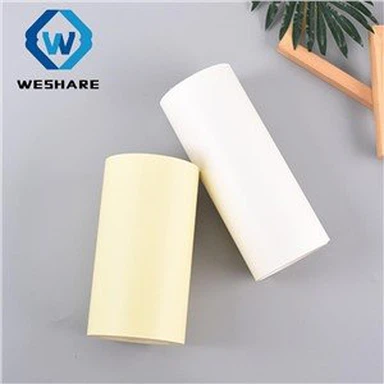
Ultra-light non-silicon release films used in medical device production
Jan 02, 2025
Advantages and Features of Ultra-Light Non-Silicone Release Films
One of the standout features of ultra-light, non-silicone release films is their lightweight nature.
This characteristic significantly reduces the load on equipment during the production of high-precision medical devices, thereby boosting production efficiency.
Compared to traditional silicone-based release films, the lightweight nature of non-silicone release films lowers energy consumption during manufacturing, extends equipment lifespan, and enhances overall production line efficiency.

In addition, these films offer superior environmental compatibility, aligning with the medical device industry's commitment to sustainability. Being silicone-free, they eliminate the environmental impact associated with silicone materials, making the production process more eco-friendly.

Most importantly, ultra-light, non-silicone release films deliver highly efficient release performance.
This ensures smooth demolding during manufacturing, preventing devices from adhering to molds or other surfaces. As a result, production losses are minimized, and the quality of medical devices is upheld.
Applications in Medical Device Manufacturing
Ultra-light, non-silicone release films are primarily used in two key areas of medical device production: demolding and surface protection.
Demolding:
In the production of high-precision medical devices, these films play a critical role in facilitating the demolding process. For instance, during the injection molding of medical equipment, precision components may stick to molds, leading to rework and defects. By using ultra-light, non-silicone release films, manufacturers can ensure smooth separation of precision components from molds, eliminating adhesion issues, improving production efficiency, and maintaining product quality.

Surface Protection
These films also provide effective surface protection for medical devices. For certain products, such as surgical implants, reagent kits, and diagnostic instruments, surface smoothness is paramount. The film prevents scratches, contamination, or other damage, ensuring the integrity and quality of the final product. Moreover, its use reduces waste and enhances material utilization, leading to lower production costs and higher overall efficiency.
Future Prospects and Conclusion
As the medical device industry continues to demand higher precision, efficiency, and sustainability, the application potential of ultra-light, non-silicone release films is immense. With ongoing advancements in technology, these films will see further performance enhancements and expanded use, particularly in the manufacturing of high-end medical equipment, micro-medical devices, and smart healthcare products.
The eco-friendly nature of ultra-light, non-silicone release films will increasingly drive industry adoption as the focus on sustainability grows. By incorporating these films into their processes, medical device manufacturers can not only improve production efficiency and reduce waste but also ensure compliance with rigorous quality standards.
In summary, ultra-light, non-silicone release films are set to become indispensable materials in the future of medical device manufacturing, empowering manufacturers to achieve greater success in a highly competitive market.