What are the main materials of release paper?
Nov 28, 2023
What are the main materials of release paper?
Introduction to the material of release paper
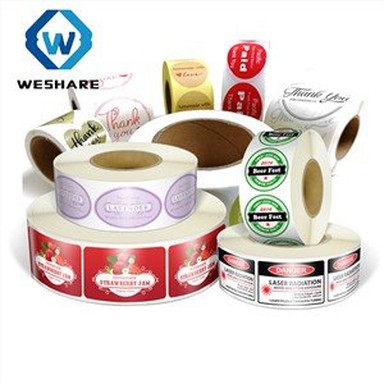
Release paper is a special paper made of special materials. Its main function is to protect or separate materials during the production process to prevent materials from sticking together.
According to the characteristics of different materials, the specific uses of release paper are also different. The following are common release paper materials and characteristics:
Polytetrafluoroethylene (PTFE) release paper
PTFE release paper is the most common type. It is made of PTFE resin. Because PTFE has excellent chemical stability, thermal stability and low friction, PTFE release paper has high heat resistance and chemical resistance. sex. It can usually withstand extreme conditions such as high temperature, high pressure, corrosion and chemical solvents, so it has a wide range of applications.
Silicone release paper
Silicone release paper is a soft material with adhesion and random compressibility. It is often used as a protective material for coatings, molds and tools. It is widely used in manufacturing composite materials and electronic components, printing and food processing.
Polyimide (PI) release paper
Polyimide release paper is a classic material in the field of polymer materials, with higher strength and heat resistance. It can work in harsh environments such as high temperature, high pressure, strong acid and strong alkali, and is very suitable for applications in some special fields.
Characteristics of release paper
1. Cleanliness: refers to the cleanliness and cleanliness of the surface. Since the production environments of release paper manufacturers are not exactly the same, most of them are not dust-free studios. Due to cost issues, it is impossible to adopt dust-free studios. Usually, They are all ordinary factories, and the better ones will have a lot of improvements in terms of environmental protection and environment, which will affect the cleanliness.
2. Release degree: refers to the degree of release of the release paper. There is no absolute value at this point. It depends on the different formulas of each manufacturer.
3. Peeling force: refers to whether the product is easy to tear off. There must be strict testing standards for this.
Things to note when using release paper
1. Different industries and application fields require the use of different types of release papers. When selecting a release paper, consider the required temperature range, adhesion requirements, chemical resistance and other factors. Make sure you choose a release liner that meets your specific application needs.
2. Release paper usually has a special anti-stick coating on one side and ordinary paper on the other side. When using release paper, make sure the anti-adhesive coating side is facing up to ensure its normal anti-adhesion function. If placed backwards, it may cause adhesion problems.
3. Release paper usually has a certain cost, and excessive use will increase production costs. When using release paper, it should be used reasonably according to actual needs to avoid waste.
4. The release paper should be stored in a dry and clean environment, away from harmful substances such as high temperature, moisture and chemicals. Avoid exposure to sunlight to prevent damage to the anti-stick coating.
5. During long-term use of release paper, the status of the release paper should be checked regularly. If the release paper is found to be damaged, deformed or has coating peeling off, it should be replaced in time to ensure its normal anti-adhesion performance.
6. When using release paper, you should comply with relevant safety operating procedures to ensure the safety of yourself and others. Especially when using release paper in special environments such as high temperatures and chemicals, pay attention to protective measures to avoid accidents.
Release paper plays an important role in various industries and application fields. The correct selection and use of release paper can improve production efficiency, protect product quality, and ensure the safety and hygiene of the working environment. Complying with the precautions for using release paper can better utilize the anti-adhesion function of the release paper and bring more convenience and security to the production process.